A collection of things that define my senior year and reflect on who I was and who I am now.
1. " The Kids from Yesterday"
At the beginning of the school year, we had to vote for the class song, motto, and flower. Pasca and I are both fans of a fantastic and underrated band, My Chemical Romance, and we had decided that their song "The Kids from Yesterday" was the perfect senior anthem and would be a well-deserved class song (listen with the link). And while it didn't win nor make the list of nominations, since punk rock is a trivialized genre that nobody listens to anymore, it was still a song that I held close to my heart throughout my senior year. The lyrics of the first verse go like this:
Well now this could be the last of all the rides we take
So hold on tight and don't look back
We don't care about the message or the rules they make
I'll find you when the sun goes black
This verse represented my view on my senior year as a whole, and my outlook on how I would go about the year. I knew that I would participate in so many 'last's, like my last high school volleyball game, football Friday, and school dance. And while high school was a ride, everything has to end eventually, and I "held on tight and didn't look back" to those moments. I enjoyed them all rather than dwelling on the fact that they would soon come to a close. I was optimistic.
I love the lyric "I'll find you when the sun goes black". One of the most difficult things for me to grasp about high school is that so many of the people that I have relationships with now could be strangers to me in the course of a couple years. I have become accustomed to always seeing the same people, and that change and the inevitability of losing friendships is terrifying to me. With this line, I was comfortable. I thought I knew that when my "sun went black", or when I felt like everything was falling apart, I would always have so many people to lean on. And it turns out, sometimes you're wrong, sometimes you're alone, and sometimes you only have one person that can truly catch you when you fall. And although I found my person and am endlessly grateful for it, I lost many relationships on the way. I was comfortable thinking that certain people would stay close to me forever, but not everything you hope for ends up being your reality. And now, at the end of my senior year, I have realized that a comfortable number of good friends isn't the important part about friendship, it's the ones that stay with you, in the long run, that matter. But I am so incredibly happy about all the wonderful people I had the pleasure of meeting and being friends with, and I will always hold a place in my heart for them, even if they don't for me.
2. My senior quote fiasco
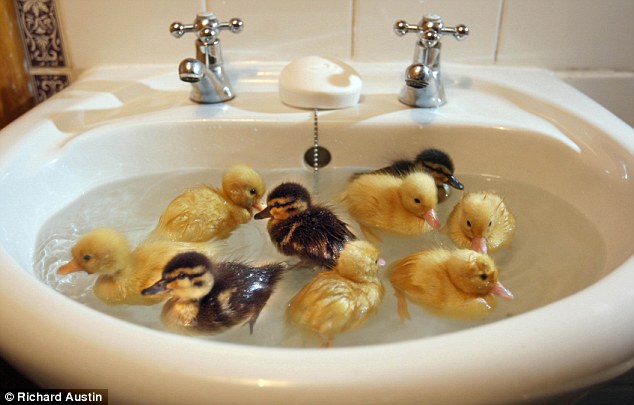 We had to choose our senior quotes at the beginning of the year, and knowing myself, I was a procrastinator, and although this is an "I was", I still am (and always will be) a procrastinator. I have never been the type of person to have favorites. I never had a favorite color, song, book, movie, or quote. I do in fact have a favorite animal, baby ducks, but that's beside the point. Therefore, picking a quote was difficult, because there isn't one single quote that can encompass everything I want to say in a senior quote. So twenty minutes before the deadline, I picked a random quote by Maya Angelou that I had found a while back, that reads:
"I've learned that people will forget what you said, people will forget what you did, but people will never forget how you made them feel." -Maya Angelou
But after submitting it, it always stuck in my head. And now, at the end of senior year, I have realized how much this quote relates to myself and my life. I have been a people-pleaser my entire life. I never really have selfish intentions, and get more upset when bad things happen to other people than when they happen to myself. I always let people take the wins in arguments, whether I agree with them or not, and I am submissive to letting people take control of relationships and situations. I was motivated to do everything I could to help my friends and family, whether or not that meant I was happy. And while I think that is a great way to live my life, it has worn me out to a thread. I get involved in other people's problems just because I feel like it is my duty to resolve it, and I make sacrifices I shouldn't have to make. I have learned to make sure I'm actually taking care of myself like I should be, and while I'm still not great at doing so, the realization is enough for me.
3. Acts 18:9
There is one specific Bible verse that has greatly influenced me, especially in my venture into the IB program.
"Do not be afraid. Do not be silent. Keep on speaking." Acts 18:9
I was afraid. I grew into someone who is very quiet, conserved, and independent. I would never say what was on my mind and I would never stand up for myself. This was reflected in my minimal involvement in classes, and just isolation in social situations. When entering the IB program, I was really afraid about how these characteristics would affect my success in the program. I thought that I was the wrong fit for the program, but in reality, the program was just the thing I needed. I grew to be comfortable with the people I was surrounded by, and I grew to understand that I shouldn't be afraid to let others in. I can find "comfort in stillness" as my fantastic Physics teacher Mr. Hartman explained in his speech at our honors breakfast just the other day. I have found my strengths and have accepted my weaknesses, and have learned I shouldn't be afraid of using my voice. I keep this quote as my wallpaper as a reminder that I shouldn't be afraid, shouldn't be silent, and that I should say what I need to say when I want to.
4. 2:00 am
 I know I said I don't have favorites earlier, but I'm going to contradict myself. My all-time favorite TV show is How I Met Your Mother. Ted Mosby once said:
But I have to disagree. Inspiration comes at wild times, and during my Junior year, that was mostly after 2 in the morning when I couldn't sleep because my thoughts were too overwhelming to just let them sit. And one night, I decided that the only way to depict how I was feeling was to paint a picture of someone drowning. It may seem very overdramatic (no, it definitely is overdramatic, really weird actually, don't judge me please), but I think drowning is a pretty accurate representation of how I felt on a daily basis. I was drowning in work, drowning in anxiety, and drowning in stress. I stressed about stress before there was even stress to stress about, and then I stressed about stressing over stress that doesn't need to be stressed about. Stress is a weird word when you say it that many times. But with this post-2am painting, I realized that if I was subconsciously painting pictures of people drowning, something had to change.
Stressing over little things was not worth it. While I may stress about an essay I procrastinated to write that is due tomorrow or a silly fiasco about which prom group to go with, in the long run, it doesn't even matter and is not worth my (many many) tears. I learned from somebody once, I wish I could remember who or what it was, that when faced with a stressful circumstance or dilemma, think whether your decision will still affect you in 5 years. And if not, then it isn't worth tearing yourself apart. So took from this that while painting a picture of someone drowning after 2 am might have not been a good thing, the realization that came from it was a good thing, and the truth that comes out when you're terribly sleep deprived makes Ted Mosby quite wrong.
5. Song of the Open Road 11
"Kids, your grandma always used to say to me, "Nothing good happens after 2:00 a.m.," and she was right. When 2:00 a.m. rolls around, just go to sleep."
Stressing over little things was not worth it. While I may stress about an essay I procrastinated to write that is due tomorrow or a silly fiasco about which prom group to go with, in the long run, it doesn't even matter and is not worth my (many many) tears. I learned from somebody once, I wish I could remember who or what it was, that when faced with a stressful circumstance or dilemma, think whether your decision will still affect you in 5 years. And if not, then it isn't worth tearing yourself apart. So took from this that while painting a picture of someone drowning after 2 am might have not been a good thing, the realization that came from it was a good thing, and the truth that comes out when you're terribly sleep deprived makes Ted Mosby quite wrong.
5. Song of the Open Road 11
Reading Leaves of Grass by Walk Whitman in class was for me the perfect way to end high school. While I never really found "my line" per say, I think I found a poem that really spoke to me. It goes like this.
Song of the Open Road 11
Listen! I will be honest with you,
I do not offer the old smooth prizes, but offer rough new prizes,
These are the days that must happen to you:
You shall not heap up what is call’d riches,
You shall scatter with lavish hand all that you earn or achieve,
You but arrive at the city to which you were destin’d, you hardly settle yourself to satisfaction before you are call’d by an irresistible call to depart,
You shall be treated to the ironical smiles and mockings of those who remain behind you,
What beckonings of love you receive you shall only answer with passionate kisses of parting,
You shall not allow the hold of those who spread their reach’d hands toward you.
This poem for me really sums up what I have grown to realize throughout my high school experience. I was always hopeful about my future, and I had never really experienced the despondency that comes with critically thinking about yourself and your position in the world. I was unprepared and inexperienced, and the past two years have been very new. This poem represents my realization that some things are inevitable, and not everything in life will be perfect. Things will happen that are not ideal, and it may rip you apart, but what doesn't kill you makes you stronger. But also, some of the things you may want for yourself aren't always the best things for you and don't always turn out ideally. It is a poem that preaches honesty and reality, things that I think are relevant to me, especially on my journey into the void that is my future.
6. Some of my favorite people in the world, who have made my high school experience better than I could've ever imagined.

I am incredibly grateful for everything and anything my friends have done for me. Thank you, for helping me through terrible days, making me laugh, supporting my decisions, and being there whenever I needed you. You all mean the world to me, and have defined my high school experience more than any of that crap I wrote above. Thank you so much.
If you read to the end, you're a true homie.
Sonjaboy, out.


